


Have you ever walked into a party and felt instantly transported by the vibrant colors? What if you could create that same magic using just three colors?
This article will guide you on how to design a stunning party aesthetic with a limited palette that not only elevates your event but also reflects your unique style.
Discover how to choose colors, decorate effectively, and ensure your party vibe is cohesive and inviting.
Key Takeaways
- Understanding color theory is essential for creating a harmonious party aesthetic with just three colors.
- Choosing the right colors influences the mood of your event, with red for excitement, blue for calmness, and green for harmony.
- Incorporate your chosen colors into table settings, decorations, and lighting to enhance the overall atmosphere of your party.
- Encourage guest participation by suggesting outfits in your selected color palette to create a coordinated look.
- Test your color selections in the actual venue to ensure they complement the lighting and desired mood effectively.
Understanding Color Theory
Color theory is the foundational aspect of creating a visually appealing party aesthetic. It helps you understand how colors interact, evoke emotions, and influence atmosphere.
The Color Wheel
At the core, the color wheel consists of primary colors (red, blue, yellow), secondary colors (green, orange, purple), and tertiary colors created by mixing primary and secondary colors. Familiarizing yourself with this wheel can make color selection easier.
Color Harmonies
You can use various color harmonies to determine which colors work well together. Common examples include:
- Complementary: Colors that are opposite each other on the wheel, like blue and orange.
- Analogous: Colors that are next to each other, like blue, blue-green, and green.
- Triadic: Three evenly spaced colors, like red, blue, and yellow.
Understanding these principles will help you create a balanced look for your party.
The Importance Of Choosing The Right Colors
Choosing the right colors sets the mood for the entire event. Different colors carry different meanings and emotional triggers:
- Red can signify excitement and passion, perfect for a lively gathering.
- Blue promotes calmness and tranquility, making it suitable for serene gatherings.
- Green evokes nature and harmony, ideal for outdoor events.
Creating an Inviting Atmosphere
Matching your colors to the party’s theme can enhance the overall ambiance. A well-thought-out color scheme unifies decor, food, and guest attire, resulting in a seamless experience.
Selecting Your Three Colors
Once you understand the basics of color theory and the emotions behind different shades, it’s time to select your three colors.
Assess Your Theme
Consider the theme of your party. For a tropical theme, you might choose bright yellows, coral, and teal. For a winter wonderland, consider icy blues, silver, and white. Think about what message or mood you want to convey and select your colors accordingly.
Test Your Selection
You can use online tools like color palette generators or apps to visualize how your chosen colors will look together. Experimenting with different combinations can help you find your perfect trio.
Incorporating Colors Into Party Decor
Now that you have your colors, it’s time to incorporate them into your party decor.
Table Settings
Use your three colors in your table cloth, napkins, and centerpieces. For example, if your colors are coral, teal, and yellow, consider a teal tablecloth, coral napkins, and yellow flowers as centerpieces.
Balloons and Streamers
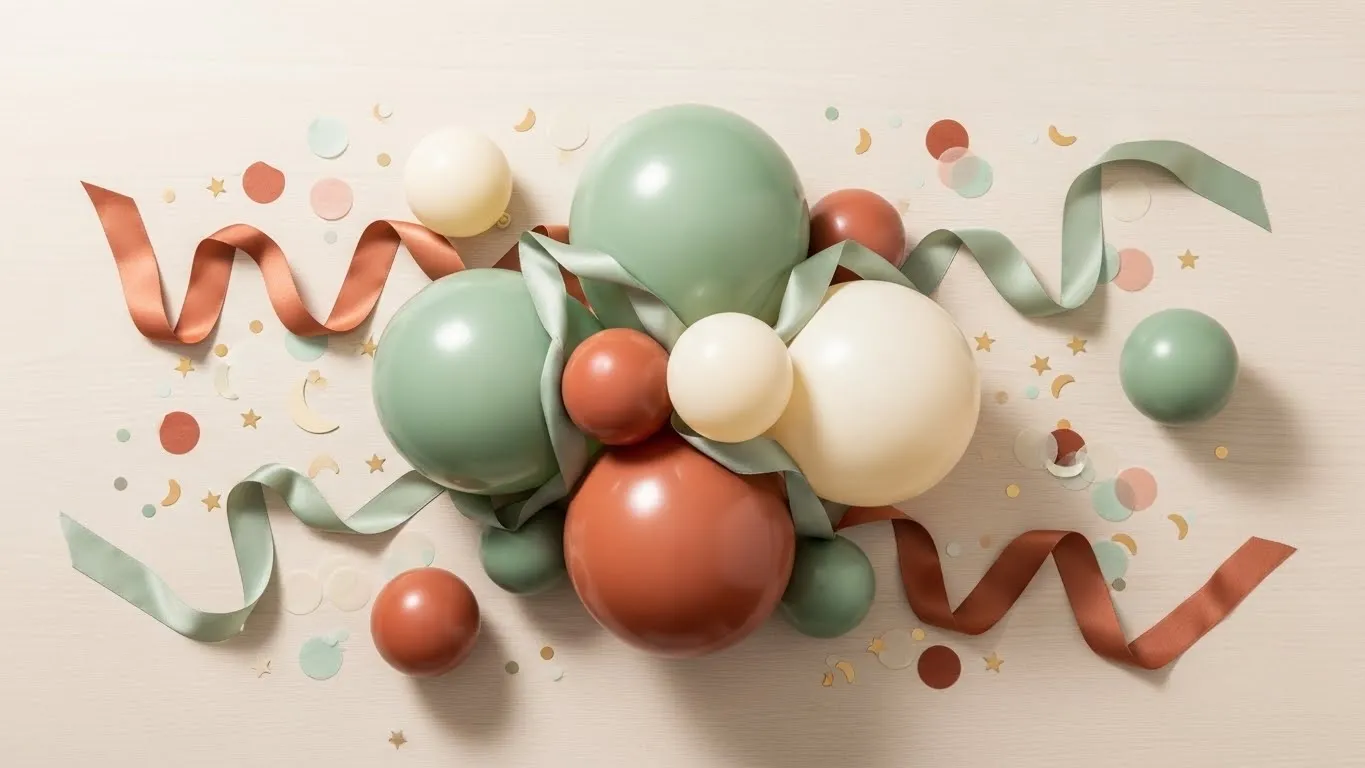
Balloons and streamers can add a fun element to your decor. Choose balloons in your color palette to create simple balloon bouquets or arches.
Lighting
Colored lights can dramatically change the atmosphere. Consider string lights or colored LED lights in your chosen colors to brighten up your space.
Coordinating Attire And Accessories
Your guests will appreciate a coordinated look that ties in with the party theme.
Creating A Color Palette For the Event
Encourage guests to wear outfits that reflect your three colors. You can do this by including a note in your invitation or sending out a style guide. This not only elevates the aesthetic but also fosters a sense of involvement and fun.
Designing Invitations And Stationery
Design your invitations and thank you cards using your selected colors. Aim for a clean design without overwhelming your guests. Keep the text easy to read and use colors that complement each other for a harmonious look.
Tips For Choosing Color Themes For Different Party Types
Every type of party has its own vibe, and tailoring your color theme is essential. Here are some tips for specific occasions:
- Birthday Parties: Bright colors like pink, blue, and yellow can create a celebratory atmosphere.
- Weddings: Soft pastels or classic combinations like gold, white, and navy often suit the elegance of weddings.
- Seasonal Events: Opt for seasonal colors, warm hues during fall, cool tones in winter, or vibrant shades in summer.
Making Adjustments For Lighting And Mood
Lighting plays a crucial role in how colors appear. Consider these aspects:
Natural vs. Artificial Light
Colors can look different in natural light versus artificial light. Test your palette in the actual party space to see how the colors interact with the lighting.
Mood Considerations
If you want a lively atmosphere, brighter colors with warmer lighting work well. For a calm setting, cooler colors under dimmer lights create intimacy.
Conclusion
Creating a party aesthetic using only three colors can simplify your planning while making a big impact. By understanding color theory, choosing the right colors, and thoughtfully incorporating them into your décor and attire, you can craft an unforgettable experience. So go ahead, mix, match, and make your next event a vibrant celebration.
Frequently Asked Questions
How do I choose the best three colors for my party aesthetic?
To select the best three colors, assess your party’s theme and the mood you want to create. Use color harmonies, like complementary, analogous, or triadic, to guide your choices and ensure a cohesive look.
What is color theory and why is it important for party planning?
Color theory helps understand how colors interact and evoke emotions. It’s essential in party planning as it sets the mood and creates a visually appealing aesthetic using your chosen color palette.
Can I use any colors for my party, or are there specific ones for different themes?
You can use any colors, but certain hues enhance specific themes. For instance, bright colors suit tropical themes, while pastels are ideal for weddings or soft celebrations.
What decorations can I use to incorporate my party colors effectively?
Incorporate your chosen colors through table settings, balloons, streamers, and lighting. For example, use colored tablecloths, matching napkins, and LED lights to enhance your party’s aesthetic.
How can I ensure my guests coordinate their attire with my party colors?
Include your color scheme in the invitations and consider sending a style guide. This encourages guests to wear outfits that reflect your aesthetic, enhancing the overall vibe of the event.
What tips can you provide for choosing colors for seasonal parties?
For seasonal parties, opt for warm hues in fall, cool tones in winter, and vibrant shades in summer. Tailoring your color palette to the season can significantly enhance the festive atmosphere.
